【面试试题】事业单位试讲/说课稿:英语
- 2026-10-17 19:14:24


事业单位历年面试试题
扫码添加老师,立即获取
🉐️完整版PDF&面试干货包,速速扫码领取
📚热点话题剖析、历年试题解析、应急话术全打包
✓结构化/试讲/说课逐字稿✓面试金句/素材积累

Step 1. Lead-in
Good morning, boys and girls! What a nice day, right? Are you ready to start our Englishjourney? Great! Let’s go! Firstly, let’s listen to a song and we can sing it together.(播放音乐)OK, it’s over. Your voice is so nice. Do you like it? What’s the song about? Yes, it’s about plants.Let’s look at this picture. What can you see in it? Some fruit! What fruit do you like? Apples? And? Yes, we can say watermelons in English. Yes, we have a lot of fruits in our daily life. Do you want to know moreabout them?Now, let’s have a closer look.
Step 2. Presentation
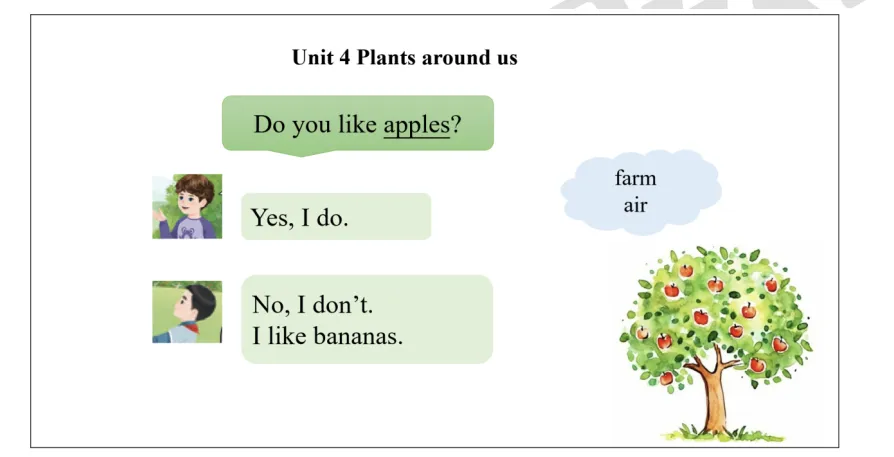
Boys and girls, before listening, let’s look at the pictureson the screen. What place is this? Park? Yeah! We can say “farm”in English. So what can you see on the farm? Trees, apples. Great! Who are on the farm?Right! Our friend Mike and Wu Binbin. Look at the fruits in Mike’s basket. Can you guess what they are talking about? Oh, these apples? You think it’s about the farm. Well done! You are very observant.Let’s see if you are correct.
Now, I’ll play the cartoon of the conversation foryou. Watch carefully and think: Does Mike like apples? How about Binbin?OK. who’s got the answer? Jane, please. Great! You are correct. Mike likes apples. How about Binbin? Sam, what’s your answer? Awesome! Wu Binbin doesn’t like apples.You are good at listening. Thank you.
Attention here. Look at this picture. Leo, do you like apples? Yes? So, look at Mike’s answer. What does he say? Yes, Ido. Exactly! You are good at observation. So, Leo, do you like apples? Great! Perfect answer. Anne, do you like apples? No? So we can say…Wonderful! Good girl. Thank you.(板书句子)Now, read after me. Do you like apples? Yes, Ido. No, Idon’t.
And what about the second picture? What can you see? Yes, many trees and grass. This is a farm. We can see the farm everywhere in the countryside. Clear? Read after me. Farm, farm. OK, let’s listen to the conversation again. This time, you should listen more carefully.(播放录音)So, what does Binbin like? Who can have a try? Kevin, you, please. No idea? That’s OK. Who can help him? Helen, can you? Bananas! Excellent. Thank you. Kevin,can you say the whole sentence? Yes, Binbin likes bananas. Great. Let’s move on. Miss White says: Do you like the farm? What’s Binbin’s answer? Exactly. Yes. We can also say…yes, Ido. Wonderful. And what does Mike like about the farm? The girl in red. Isee your hand. Fresh air. You are so attentive. You are more confident. I’m so glad to see that. Thank you. Do you know air?It’s everywhere.(做深呼吸)Ican feel the air through my nose. If we go to the farm, we will feel good because of the fresh air. Understand?Read after me. Air, air.
Step 3. Practice
Now class, look at the conversation on the screen. Do you see the marks? When we read the conversation, we can have better pronunciation and intonation according to the marks. Now let’s Listen to the tape and read after it. Let’s go. Wow,your voice is so loud and so passionate. I’m so proud of you.
Look here. I have some pictures of different fruits. I will give them to you randomly. Now work in groups of three. One student is Mike, one is Binbin and one is Miss White. Let’s read the conversation in different roles and you can use your own fruit. Then I will invite some groups to show your conversation. Are you clear? Here we go. Let’s stop here. Who’d like to show your conversation first? Amy, you and your partners. Wow, you are so good at acting. Your conversation is so fluent. Big hands for you.Thank you. Go back to your seat.
Step 4. Production
Boys and girls, do you like fruits? Do you like animals? Yes! Now, class, look at the screen. Here are more pictures of fruits and animals. Lookat this.(随机指一张图片)Do you like dogs? Hands up if you like dogs. So what can you say? Yes! Ido. Oh, very good! And do you like pigs? No? What can you say? No, Idon’t. Great. You gave a clear response.Now, pair up with your classmatesto ask and answer using these pictures. Go ahead.Okay, everyone. Stop now. Let’s divide the whole class into groups. In your groups, you should survey what your group memberslike. Remember to fill in the chart on the screen. Are you all clear? Let’s begin.Okay,time is up. Now, I’d like some group members to share their charts and conversations. Who wants to be the first? Group 2, come here. Wow. Your pronunciation is better than before. Keep it up!Thank youand go back to yourseat. And any other volunteers. Okay,Group 3. OK. What do you think of their performance? Cindy, what do you think? Wonderful, right?Oh, you like their chart. Great observation. You really paid attention to the details.
Step 5. Summary
Time goes so fast. Now, who can make a summary of what we learned today? Monitor?Well done! You did a great job summarizing. As you said, we learned about plants and fruits and the sentence structure “Do you like...? Yes, I do. / No, I don’t.” I also want to add that plants can provide more than just fruits. We should like and protect them.Am I right?
Step 6. Homework
For homework, you have two tasks. Task one is to listen to the conversation again and read it loudly to your parents. Task two is to ask your parents about their preferences for fruits and animals. Are you clear? Have a great day! See you next time!
Blackboarddesign
《Plants around us Section A Let’s talk》说课稿
Good morning, dear judges! I’m very glad to be here to present my class today. I’m thenumber 1 candidate applying for primary school English teacher. And my topic today is Unit 4 Plants around us. In order to make my presentation much clearer, I’m going to divide it into 5 sections, that is, analysis of the teaching material, analysis of students, teaching methodsand learning methods, teaching procedures and blackboard design. Now I am going to present them one by one.
一、说教材
First of all, I will give a brief analysis of the teaching material. This lesson istaken from Unit 4 of Book 1 for primary school students, published by People’s Education Press. The theme is about “plants”. This class mainly deals with a conversation about preferences for fruits that happened on a farm.Students can learn more about the environment around them. More importantly, this conversation provides a good way for students to learn about themselves.
Teaching Objectives
Given the analysis of teaching materials, the teaching objectives are designed as follows:
After the class, students will be able to:
1. Obtain Wu Binbin’s and Mike’s preferences for fruits and farms by listening to recordings, watching picturesand animations.
2. Can understand the main idea of the conversation and perceive what plants can be provided for humans.
3. Listen, say, and recognize the core sentence structure“Do you like.? Yes, Ido./No, Idon’t.”and appropriately express one’s preferences for fruits.
4. Listen carefully and respond to the other person’s questions and push the conversation forward by asking questions, sharing feelings, supplementing ideas, etc.
5. Imitate the speaker’s pronunciation and intonation while listening to recordings or watching animations.
Teaching Key and Difficult Points
Based on the objectives, I make the teaching key and difficult points as follows:
1. Students can understand the conversation and what plants
can be provided for humans.
2. Students can talk about their preferences using“Do you like.? Yes, I do. /No, I don’t.”.
3. Students can improve their listening and speaking skills.
二、说学情
My students are from Grade Three, who have just started their Englishlearning. They can understand only a few Englishwords and sentences. So this topic, which involves some simple and basic Englishexpressions and is closely related to students’daily life, can arouse students’interest and reduce the difficultyto some extent. Students can learn this class withthe help ofdirect teaching tools like pictures and videos. And I will give prompt guidanceto help students understand the text and develop theirlistening and speaking skills.
三、说教学方法
Based on the analysis of the teaching material and students, the direct teaching method, TBLT and audio-lingual method are adopted in this lesson, which can help students get involved in the tasks and classroom activities.And students will explore the new knowledge through self-learning and group work.
四、说教学过程
Here comes the most important part — teaching procedures, which include six steps: lead-in, presentation, practice, production, summary and homework.
Step 1. Lead-in
In this step, I will play the song Plants and Us and students can sing it together. Iwill aska question: What is the song about? Then students will look at a picture of some fruit trees and think about questions: What plants do you see? What fruit do you like? The song can attract students’interest and get students involved in discussion. With the picture Ican lead in today’s topic quickly and naturally.
Step 2. Presentation
Before listening, Iwill show the picture in the text and ask students to guess: What place is this? What can you see on the farm? Who are on the farm? By observing the fruits in Mike’s basket, students will guess what they are talking about. By this way students can predict the conversation.
After that I’ll play the cartoon of the conversation for the first time, and students can have a basic understanding of the conversation. They can answer some simple questions like: Does Mike like apples? How about Binbin? Then the first picture of the conversation will be presented and Iwill askstudents’ preferences for fruit. In this way, the core sentence structure “Do you like.? Yes, I do. /No, I don’t.” can be presented. And Iwill show the second picture to teach the words “farm”and “air”.
Finally, students listen to the tape for the second time and answer some detailed questions about Mike and Binbin to deepen their understanding of the conversation. Through the question “What does Mike like about the farm”, students can think about what plants can be provided.
In the process of listening, students can gradually understand the content. Through the form of a problem chain,I can lead students to understand the discourse, cultivate listening skills, and further develop students’ independent learning and thinking abilities. And the pictures not only helpstudents understand the new words, but alsokeeptheir interestduring the class.
Step 3. Practice
Here I’ve designed two activities for students to practice.
Activity 1is“Listen and imitate”. Iwill put the whole conversation on the screen with marks of intonation, stress and liaison. Students listen to the tape and imitate the conversation.
Activity 2is“Role-play”. Iwill prepare some pictures of different fruits for students. Students will work in groups of three to act as Miss White, Mike and Binbin. Some groups will show their conversation on the stage.
Imitating can deepen students’ understanding and memory of the dialogue, and strengthen their pronunciation and intonation. And thenthey can practice what they have learned and enjoy the fun of English classin role-play.
Step 4. Production
In this step, Iwill show more pictures of fruits and animals on the screen and ask the question“Do you like…?”with the picture. The students can imitate the conversation in pairs first. And then I’ll divide the whole class into groups and students should do a survey about their group members’ preferences. They should fill in a chart according to the survey. Lastly, some group members will be invited to share their charts and conversations. Ican invite some students to make comments on the above performances.
Showing more pictures and demonstrating the conversation can reduce the difficulty in the following task. Sharing and discussing their preferences enables students to extend their knowledge to reallife, which helps students change from language input to flexible application, and tests the learning effectiveness of this lesson. Discussions and peer evaluations among classmates can strengthen collaborative learning among peers,and help students have a clearer direction for progress.
Step 5. Summary
In this part, some students will be invited to make a summary. Then I will make some supplemented summary about the topic: Plants can provide more than just fruits and we should like and protect them.It will better help students to improve generalization and independent learning abilities.
Step 6. Homework
Two tasks will be given as homework. Task one is to listen to the conversation again and read it loudly to parents. Task two is to ask their parents about their preferences for fruits and animals.Listening and reading areto enhance the new knowledge. ThroughTask 2, each student will continue classroom activities after class, and their knowledge will bereinforced when they apply what they have learned to similar situations.
五、说板书设计
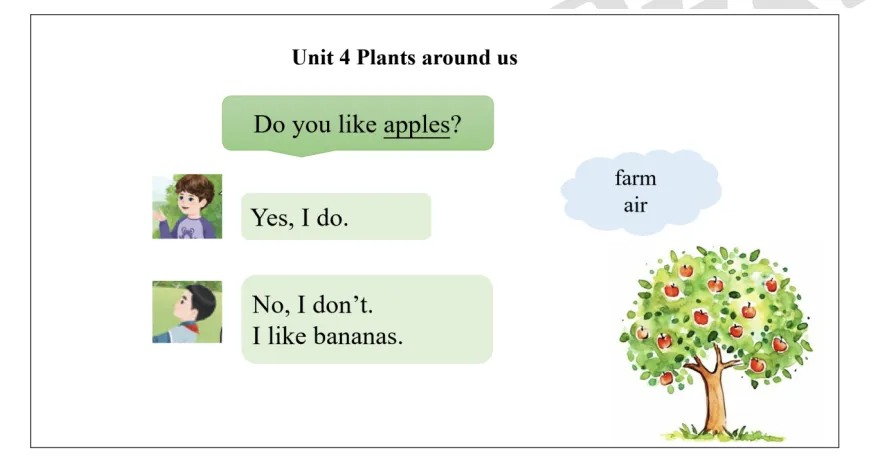
At last, I will say something about my blackboard design. As far as I am concerned, the blackboard design can reflect the teacher’s ability to master the text and lead students to master the new knowledge easily. In order to clearly present the internal logic of the conversation, I will design my blackboard as follows:
因篇幅原因只能展示部分试题
幼语数英音体美物化生史地政科学信息心理
完整版扫码添加老师直接领取
事业单位面试课程
🔥华图1元面试礼包上线
试讲&说课:2000+分钟课例,学完就会
结构化:专项甄题+真题示范,答出亮点
超值资料:16学科逐字稿,直接能用
赠送AI智能点评 打磨答题表现
扫码直接1元购买👇