剑桥大学31学院环境、法律与经济本科面试真题25
- 2026-10-17 02:07:25

剑桥大学三一学院 (Trinity College) 的“环境、法律与经济”专业(在剑桥通常隶属于“土地经济” Land Economy 门类)是一个高度交叉的跨学科王牌专业。该专业的面试重点考查申请者跨领域应用法律框架、微观经济学模型和环境政策分析来解决全球资源冲突的能力。面试官不要求你预先背诵法条,而是观察你如何处理产权(Property Rights)、市场失灵(Market Failures)与政府管制之间的博弈 [skills:load: local, travel, finance]。
根据 2025 年入学(2024 年底面试/2025 年 1 月发录取)的真实反馈,以下为你还原 10 道原汁原味的三一学院环境、法律与经济本科面试真题:
1. 【公地悲剧】如何解决公海捕鱼的资源枯竭?
【2025年入学真题】 No single nation owns the international大西洋. Individual fishing boats have an incentive to catch as many fish as possible, leading to a collapse of fish stocks. How would you design a regulatory framework to solve this, and what are the enforcement challenges under international law?
(没有一个国家拥有国际公海。每艘渔船都有动力捕捉尽可能多的鱼,导致鱼类资源崩溃。你将如何设计一个监管框架来解决这个问题?国际法下面临哪些执法挑战?)
2. 【污染内部性】碳税 (Carbon Tax) 与碳交易 (Cap-and-Trade) 的双重选择
【2025年入学真题】 If a government wants to reduce industrial carbon emissions, it can either impose a flat carbon tax or create a carbon credit trading market. Under what market conditions is a carbon tax economically superior to a trading market?
(如果政府想要减少工业碳排放,既可以征收固定碳税,也可以建立碳排放权交易市场。在什么样的市场条件下,碳税在经济上优于碳交易市场?)
3. 【财产权与负外部性】邻居家建垃圾焚烧厂的产权博弈
【2025年入学真题】 A private energy company wants to build a waste-to-energy incinerator plant. The plant will lower electricity costs for the city but will reduce the property values and air quality of the immediate neighbours. According to the Coase Theorem, how can they resolve this efficiently, and when does this theorem fail in reality?
(一家私营能源公司想建一个垃圾焚烧发电厂。该厂将降低城市的电费,但会降低附近邻居的房产价值和空气质量。根据科斯定理,他们如何高效解决这一冲突?该定理在现实中何时会失效?)
4. 【环境法核心原则】“污染者付费”与国际贸易摩擦
【2025年入学真题】 The "Polluter Pays Principle" demands that firms internalize environmental costs. If Country A enforces strict environmental laws making its steel expensive, while Country B has no laws and sells cheap steel, can Country A legally impose a "Border Carbon Adjustment" tariff under WTO rules without being guilty of protectionism?
(“污染者付费原则”要求企业将环境成本内部化。如果 A 国执行严格的环境法导致其钢材价格昂贵,而 B 国没有法律并倾销廉价钢材,A 国能否在 WTO 规则下合法征收“碳边境调节税”,而不被判定为保护主义?)
5. 【法律责任与溯源】历史遗留有毒土地的责任归属
【2025年入学真题】 A chemical factory operated on a plot of land in 1950, legally dumping chemicals according to the laws of that time. In 2010, a real estate developer bought the land, built houses, and sold them to families. In 2025, toxic leaks were discovered, injuring residents. Who should be held legally and economically liable: the 1950 factory, the 2010 developer, the current residents, or the state?
(1950年一家化工厂在某块土地上运营,根据当时的法律合法倾倒了化学品。2010年,一家房地产开发商买下了这块地,盖了房子并卖给居民。2025年发现有毒物质泄漏,导致居民健康受损。谁应该承担法律和经济责任:1950年的工厂、2010年的开发商、现在的居民,还是国家?)
第三部分:资源经济与土地利用 (Resource & Land Economy)
6. 【可再生能源转型】电网“间歇性”的市场价格崩塌
【2025年入学真题】Solar and wind energy have a marginal cost of zero once built. However, they are intermittent (wind doesn't always blow). When a grid becomes 90% reliant on renewables, why does the market price of electricity occasionally drop to negative values, and why does this paradoxically discourage future green investment?
(太阳能和风能一旦建成,其边际成本为零。然而它们具有间歇性。当一个电网对可再生能源的依赖度达到 90% 时,为什么电价偶尔会跌至负值?为什么这反而会反常地抑制未来的绿色投资?)
7. 【城市经济与规划】征收“拥堵费”对周边地价的地理传导
【2025年入学真题】A city introduces a £15 daily congestion charge for driving into the city centre. Draw or explain how this policy affects: a) Residential land prices inside the city centre. b) Commercial retail rent outside the congestion zone boundary.
(某城市对开车进入市中心征收每天 15 英镑的拥堵费。请解释或画图说明这一政策如何影响:a) 市中心内部的住宅地价。b) 拥堵区边界外围的商业零售租金。)
8. 【微观代数建模】最优环境罚款金的数学推导
【2025年入学真题】A factory saves £100,000 in operational costs every year by illegally dumping toxic waste into a river. The environmental regulatory agency has a limited budget and can only audit the factory with a probability of p = 0.05 (5%). What is the mathematically minimum legal fine (F) the government must set to perfectly deter the factory from dumping? What happens if the factory owner is risk-averse?
(一家工厂通过向河流非法倾倒有毒废物,每年可节省 10 万英镑的运营成本。环境监管机构预算有限,每年只能以 p = 0.05 (5%) 的概率对工厂进行审计。政府必须设置的法定量化罚款(F)在数学上的最低值是多少,才能完美震慑工厂不排污?如果工厂主是风险厌恶型的,结果会怎样?)
9. 【国际环境博弈】跨国气候协定中的“纳什均衡”溃散
【2025年入学真题】 Two hyper-emitting countries must choose whether to Sign or Boycott a global climate treaty. If both sign, they enjoy a cleaner planet (+10 welfare each). If one signs and the other boycots, the boycotter free-rides on environmental clean-up (+12 welfare) while the signer bears all economic costs (+2 welfare). If both boycott, climate catastrophe occurs (+4 welfare each). Find the Nash Equilibrium. What legal mechanism can shift this equilibrium?
(两个超级碳排国必须选择签署还是抵制一项全球气候协定。如果双方都签署,将享受更清洁的地球(各获得 +10 福利)。如果一方签署而另一方抵制,抵制者通过搭便车享受环境改善(获得 +12 福利),而签署者承担所有经济成本(仅获得 +2 福利)。如果双方都抵制,气候灾难发生(各获得 +4 福利)。请找出纳什均衡,什么法律机制能改变这一均衡?)
10. 【公共政策评估】折现率 (Discount Rate) 决定人类未来的道德悖论
【2025年入学真题】 When evaluating a long-term flood defence project that costs £1 billion today but saves £10 billion in property damage 100 years from now, how does the choice of a social discount rate (e.g., 1% vs. 6%) determine whether the project is legally approved? What is the ethical problem here?
(在评估一个长期防洪工程时,该工程今天耗资 10 亿英镑,但在 100 年后能减少 100 亿英镑的财产损失。社会折现率的选择(如 1% 还是 6%)如何决定该项目是否能在法律上获得通过?这里的道德问题是什么?)
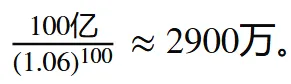 现值(2900万)远小于今天的成本(10亿),项目在法律和预算层面上会被直接否决。
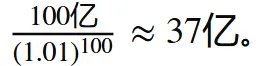 现值远大于成本,项目顺利通过。